
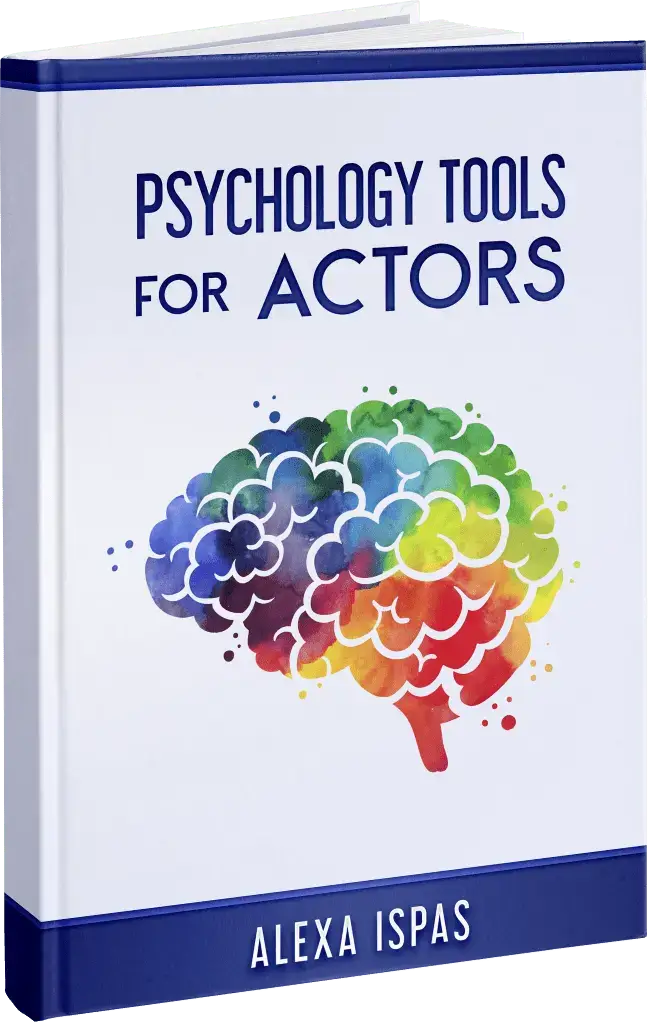
Psychology Books for Actors with Science-Backed Acting Tips
– by Alexa Ispas
Are you aiming to have a successful career as an actor? Psychology can help!
In this free Psychology Tools for Actors, I’ll share a few practical acting tips you can start using right away.
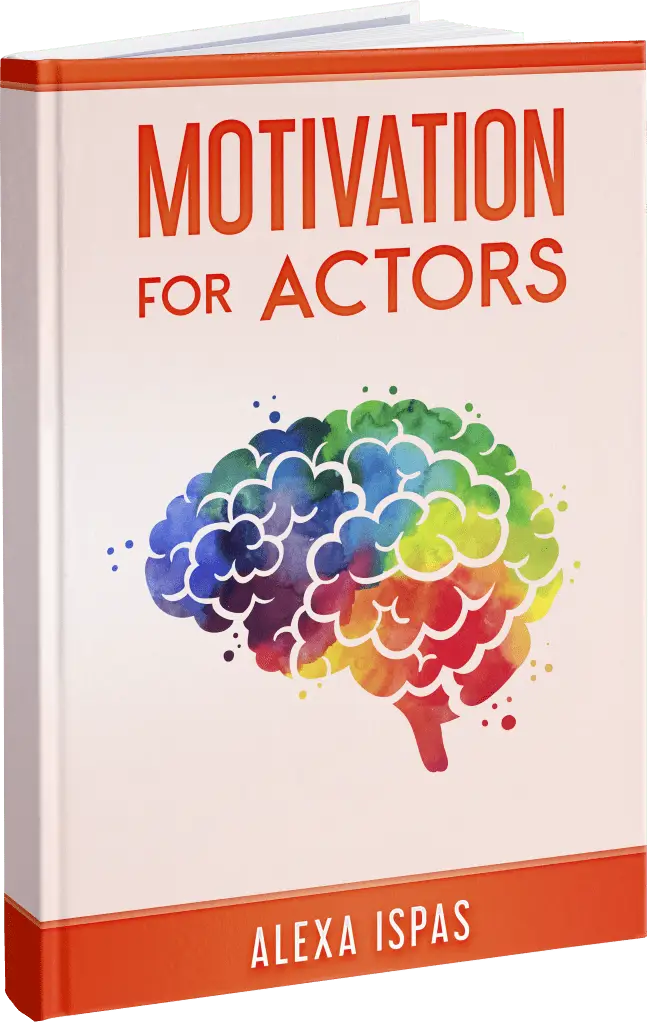
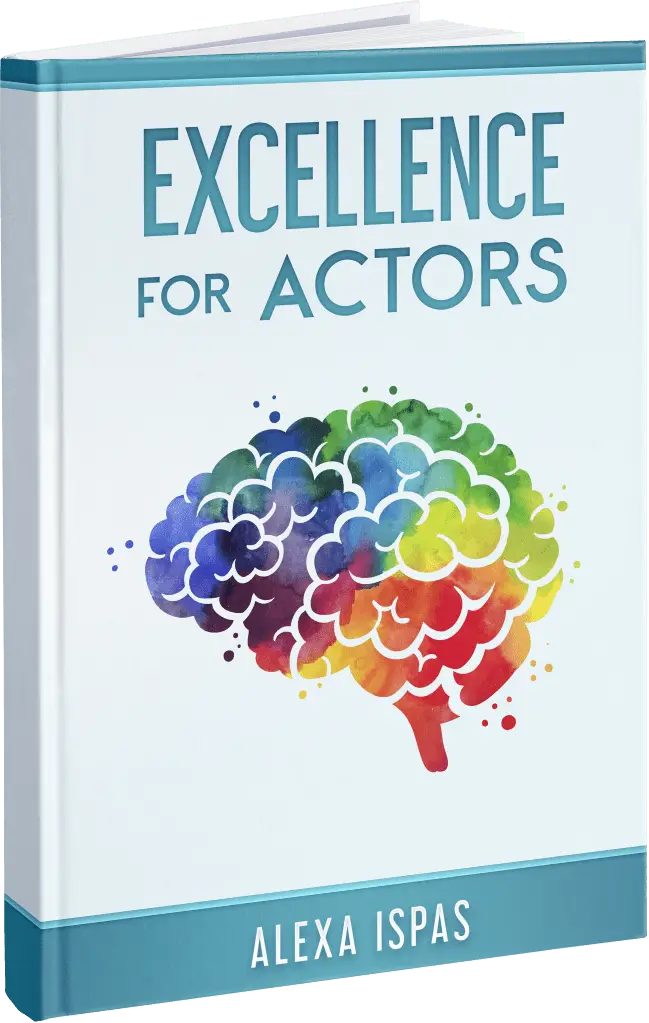
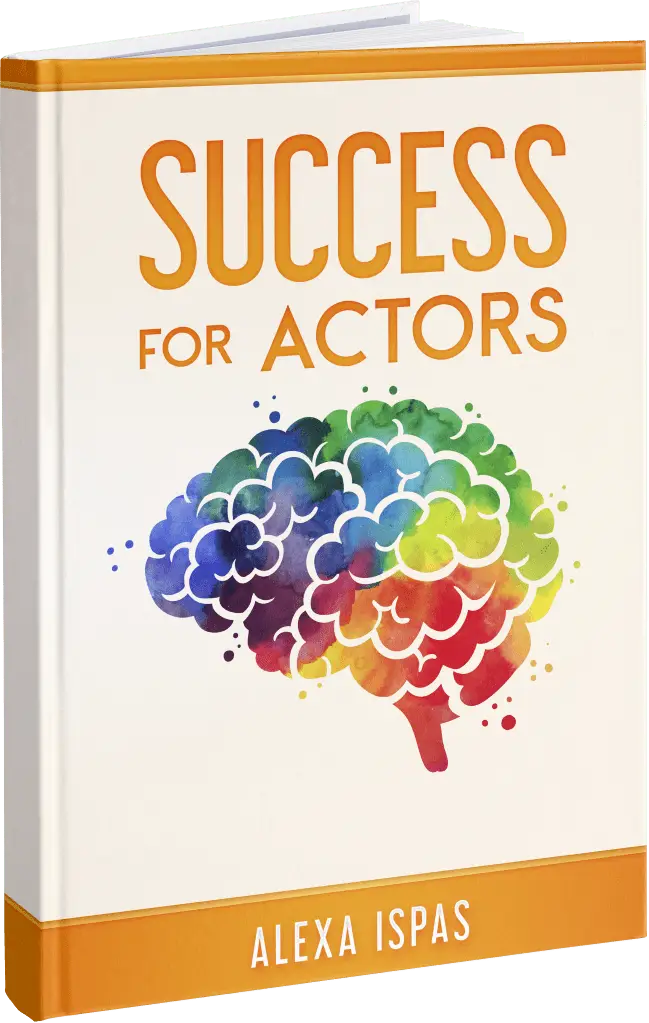
If you find them helpful, you’ll also discover my collection of psychology books for actors, each focused on a different part of the craft – from memorization and confidence to resilience, motivation, and long-term success.
Psychology for Actors by Alexa Ispas
Every book in this series focuses on one area of an actor’s development. Read them individually or build your own psychology library over time.
Lorem ipsum dolor sit amet, consectetur adipiscing elit. Ut elit tellus, luctus nec ullamcorper mattis, pulvinar dapibus leo.
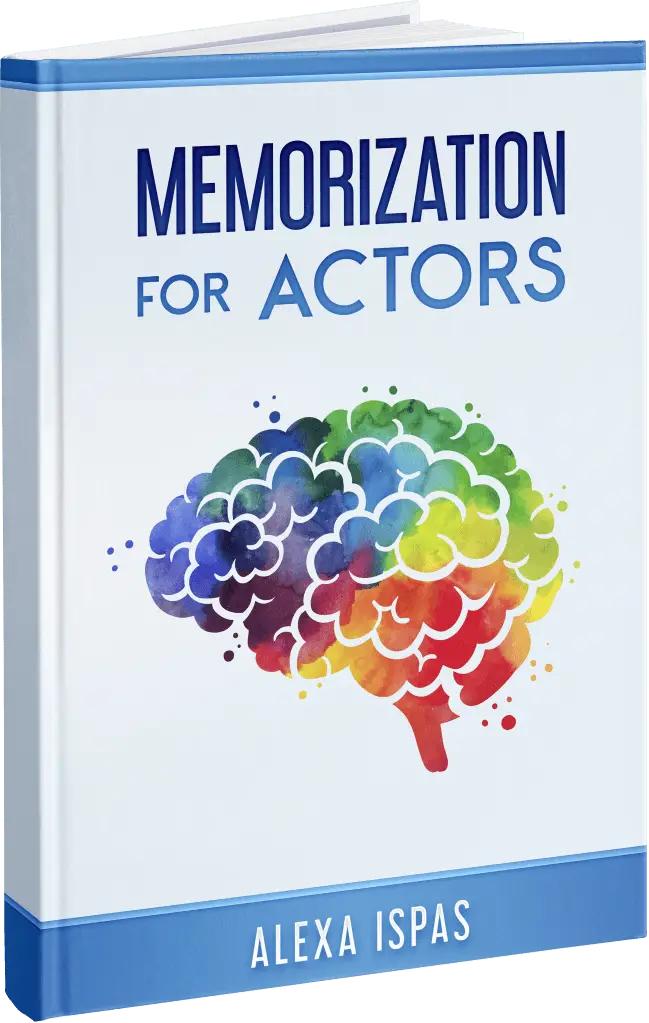
Memorization for Actors
– By Alexa Ispas
Memorization for Actors teaches you proven psychology techniques to make line learning easier and quicker.
Inside you will discover:
– How to become a master at learning your lines
– Simple tricks to learn more lines in less time
– Advanced tools to turbo-charge your memorization process
– Proven strategies to remember your lines in high stress situations
– When to schedule your memorization sessions for maximum effect
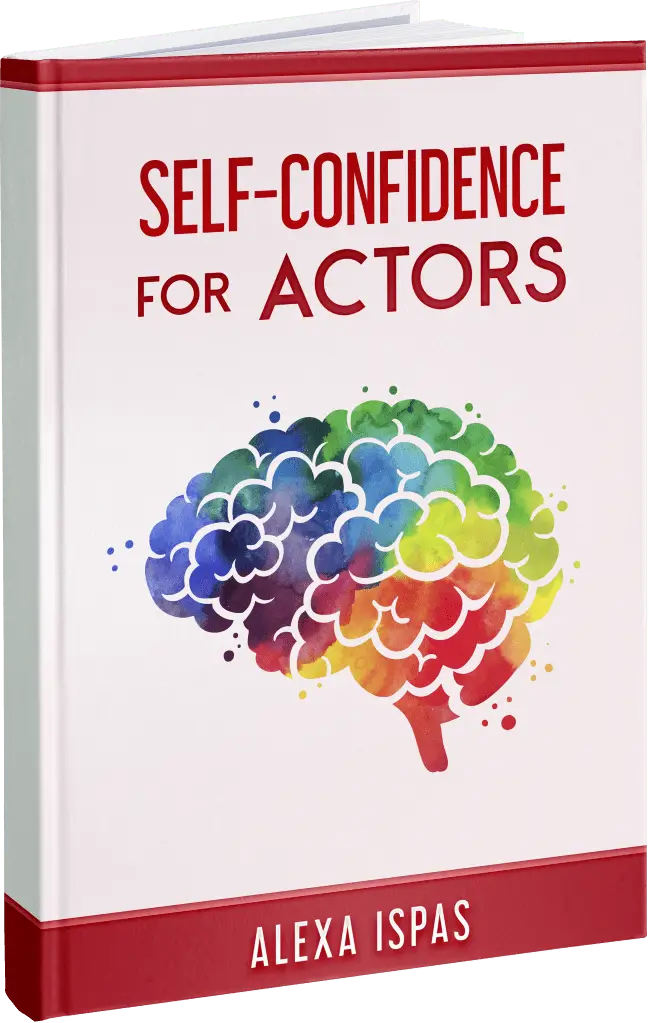
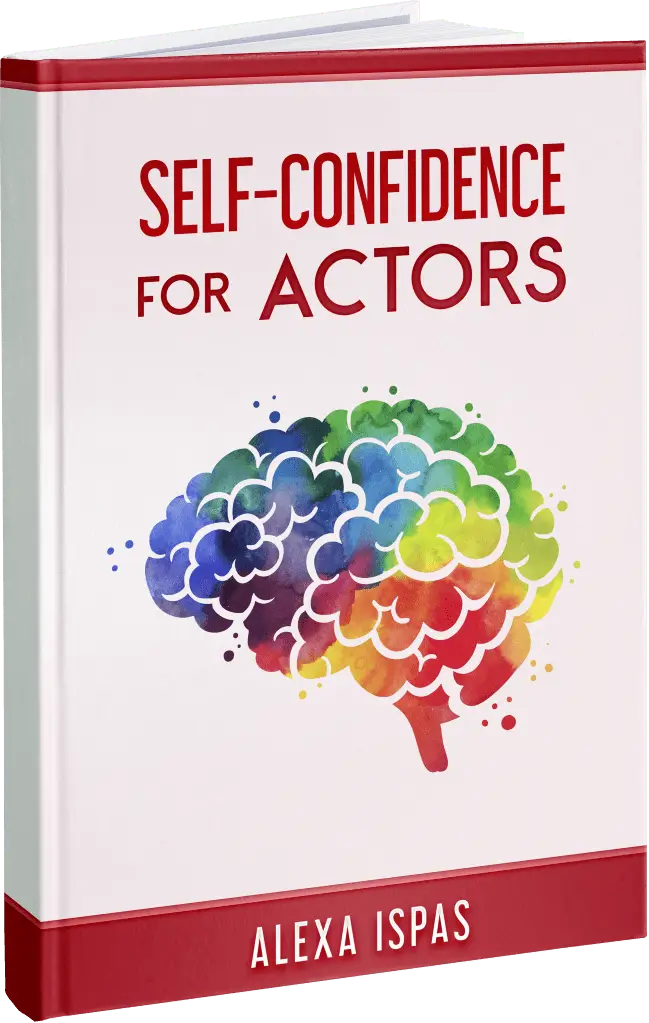
Self-Confidence for Actors
– By Alexa Ispas
Self-Confidence for Actors teaches you proven psychology techniques to connect with your boldest self when it matters most.
Inside you will discover:
– How to prevent nerves from sabotaging your performance
– How to radiate confidence in high-stakes situations
– How to disarm your inner critic and conquer impostor syndrome
– How to overcome stage fright
– Daily practices and acting tips that strengthen confidence over time
Workshops for Acting Studios and Drama Schools
The books are designed to give you practical tools you can work through at your own pace.
If you’re part of an acting studio or drama school, I also run online workshops based on the six books in my Psychology for Actors series. Each workshop focuses on one area of performance psychology and gives actors practical, repeatable tools they can begin using immediately.
The emphasis is always on application rather than theory. Actors leave with techniques they can use throughout their career.
Workshop topics include:
- Memorization for Actors
- Performance Under Pressure
- Conquering the Inner Critic & Impostor Syndrome
- Overcoming Rejection
- Building Career Momentum
Interested in bringing a workshop to your acting studio or drama school?
About me
My work sits at the intersection of psychology and the acting craft.
I hold a PhD in Psychology and have written six psychology books for actors, with more than 20,000 copies sold worldwide.
Alongside writing, I deliver psychology-based workshops for acting studios and drama schools across North America, helping actors build practical skills in memorization, confidence, resilience, and performance under pressure.
Everything I teach is designed to be practical, evidence-based, and immediately useful.

FAQs About Psychology-Based Acting Workshops
Psychology for Actors is a book series with practical acting techniques to help actors improve memorization, confidence, focus, resilience, and performance under pressure.
Yes. Psychology can support many aspects of an actor’s development, from learning lines more effectively and managing audition nerves to building confidence and recovering from rejection. Developing these mental skills allows actors to perform more consistently while enjoying the creative process.
These books are designed for actors at every stage of their career, whether you’re just starting, training at drama school, auditioning professionally, or working regularly in theatre, television, or film.
It depends on the challenge you’re currently facing. If learning lines is your biggest obstacle, begin with Memorization for Actors. If confidence or performance anxiety is holding you back, Self-Confidence for Actors is a great place to start. Each book focuses on one area of an actor’s development, so you can choose the topic that’s most relevant to you.
Yes. Every book and workshop is grounded in established psychological principles and translated into practical acting tips you can use during rehearsals, auditions, and performances. The emphasis is always on techniques that are evidence-based, realistic, and immediately useful.